From Unfinished Attic to Primary Suite: A Madison Home Transformation

Can You Actually Turn an Attic Into Living Space?

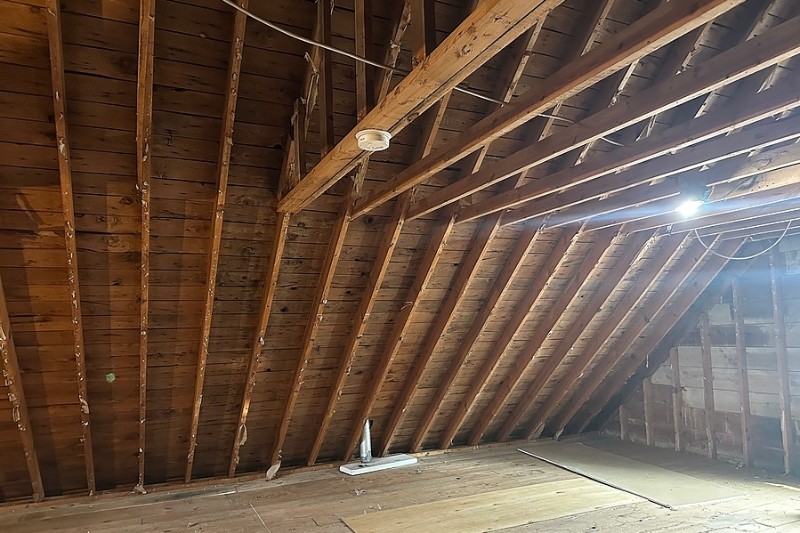
For many homeowners in older Madison homes, the attic is an afterthought — a place to store holiday decorations and forgotten furniture, not a place to invest in. But that unused square footage in your attic is often hiding real potential. When our clients reached out about their 1950s ranch in Madison, they weren't sure what was possible. They knew they wanted more space, but moving felt like too much, and they didn't want to add a full addition. Their unfinished attic turned out to be full of potential for their new primary suite.
The benefits of remodeling an unused space

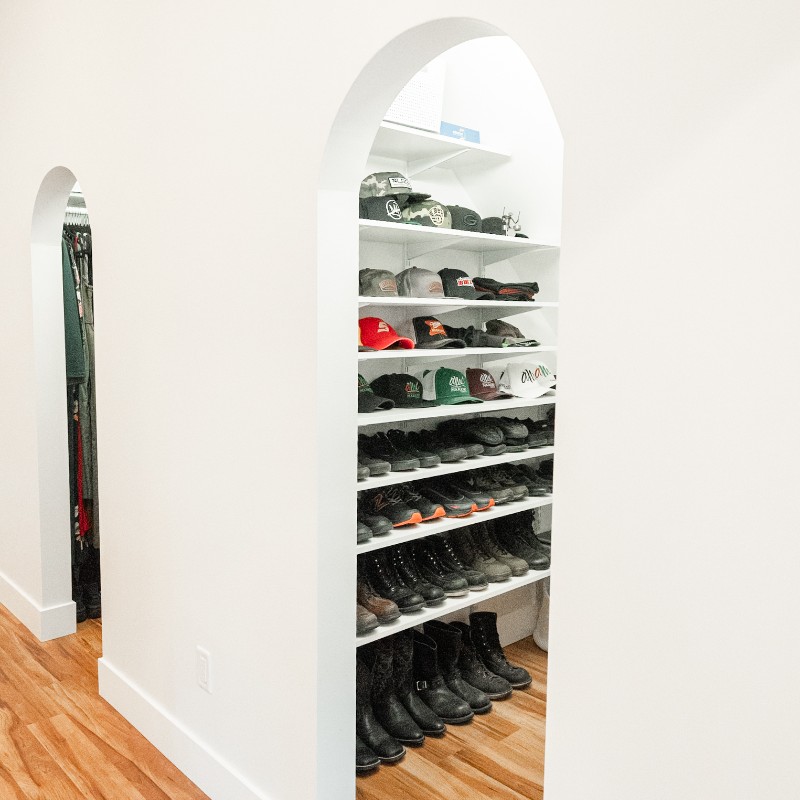
The homeowners wanted a quiet, private primary suite with a spa-like bathroom and enough storage to make everyday life feel a little less chaotic — all without losing the character that made them love their home in the first place. They also needed a second full bathroom to relieve pressure on the single bath downstairs, freeing up the main floor for guests and other uses. An attic conversion made it possible to accomplish all of that - in fact, we doubled the usable square-footage of their home without changing the home's footprint.


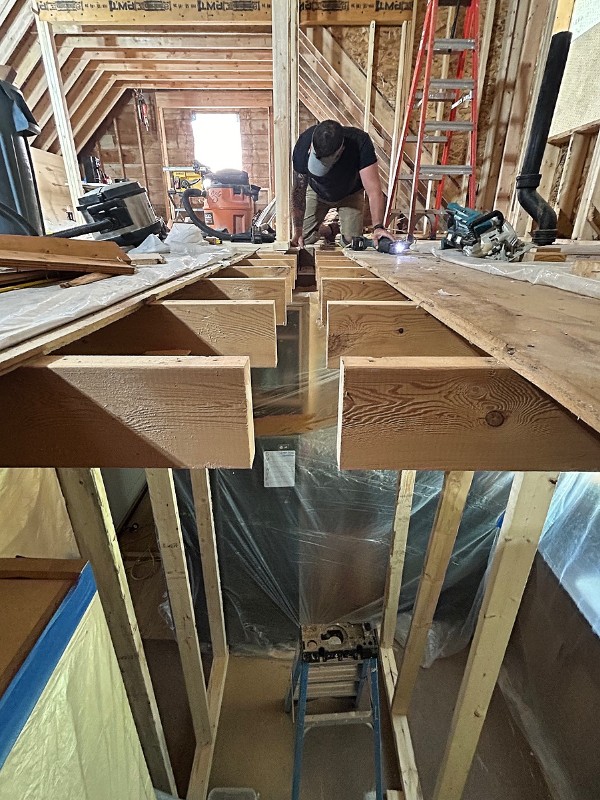
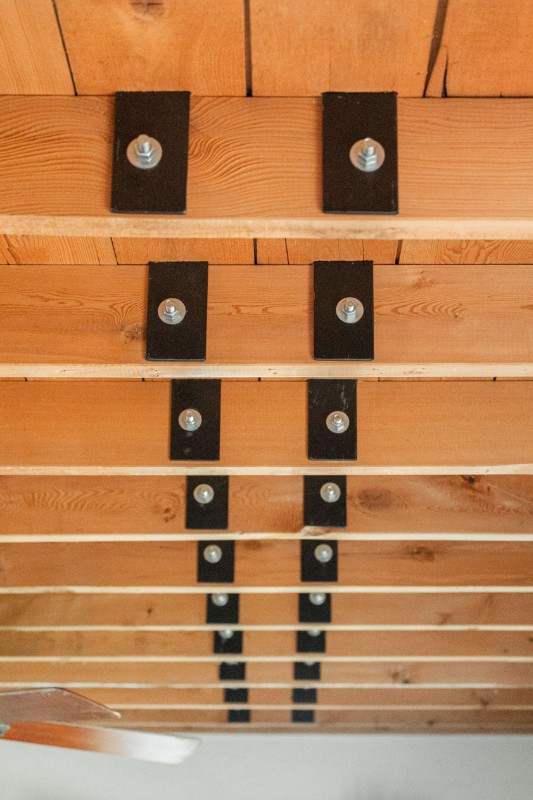
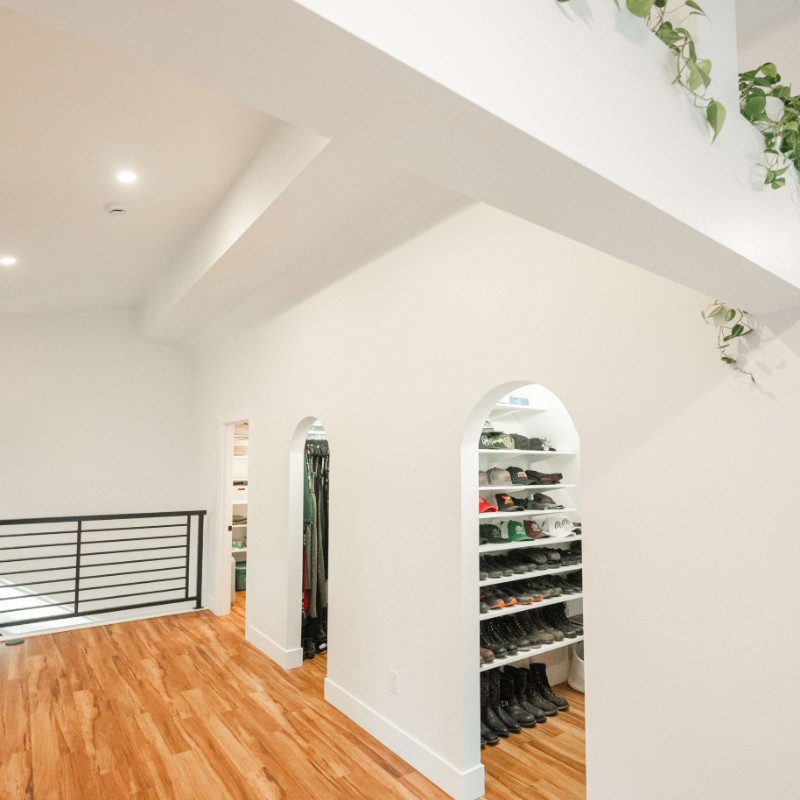
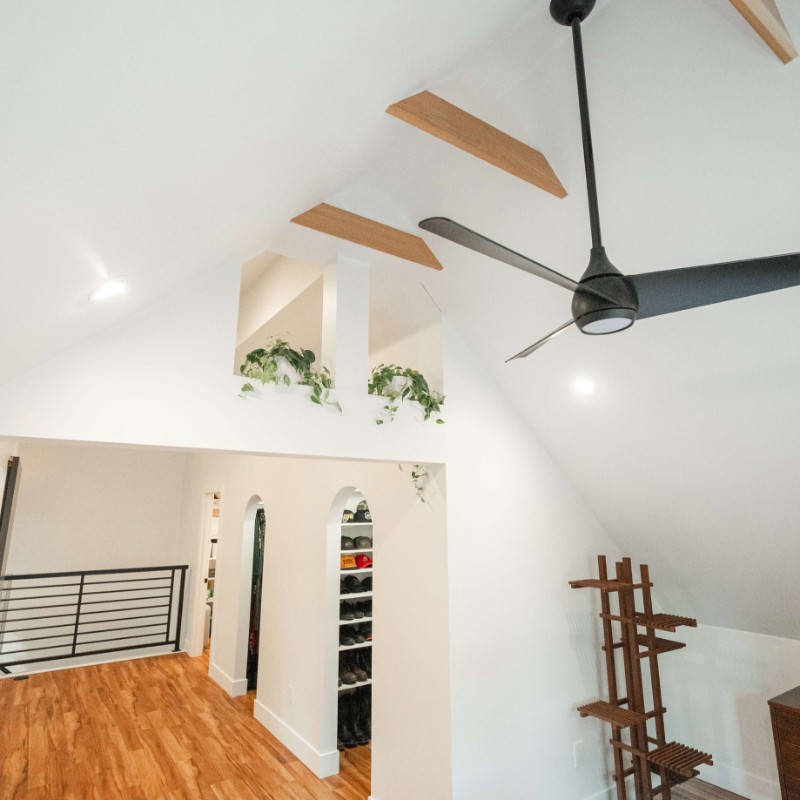
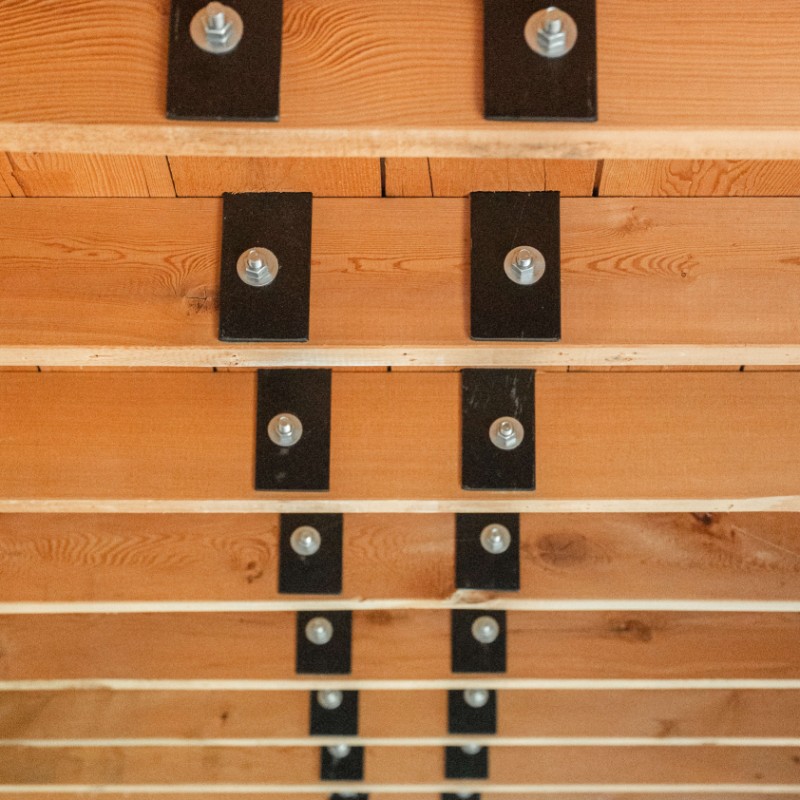
When finishing an attic, every inch counts and every beam has to pull its weight, literally. Our team carefully re-engineered the attic’s floor system, hiding support beams inside closet walls and painting custom steel brackets black to match the homeowners’ existing exposed ceiling aesthetic below.

The result looks intentional, not improvised - an example of how great design and smart structure can go hand in hand. We also reinforced the roof for added insulation, which now keeps the second floor comfortable year-round. It’s more energy-efficient than ever, and no longer leaking heat like most old attics do.


What Does a Finished Attic Look Like?

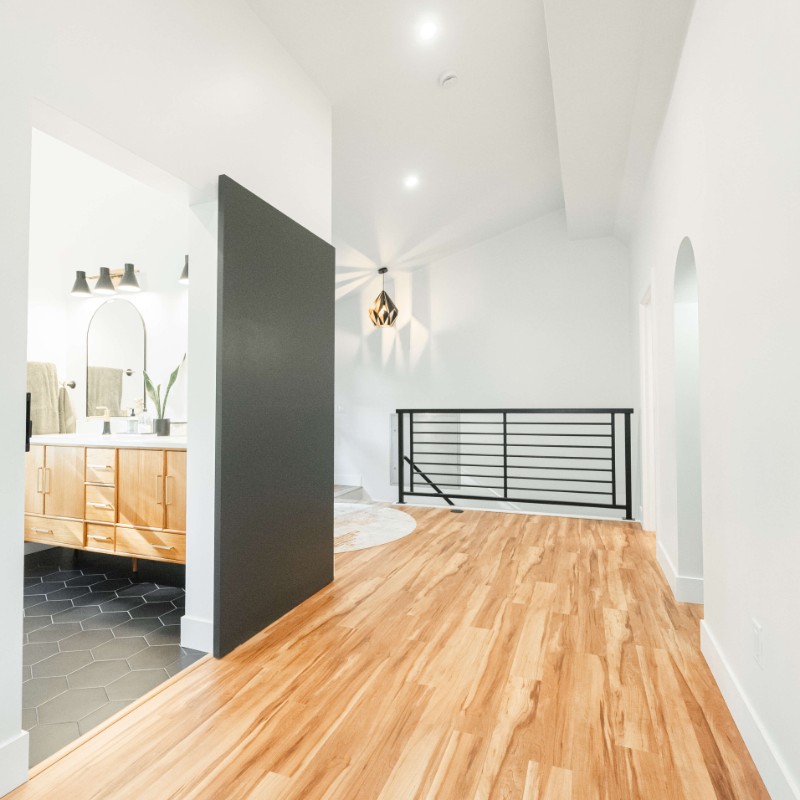
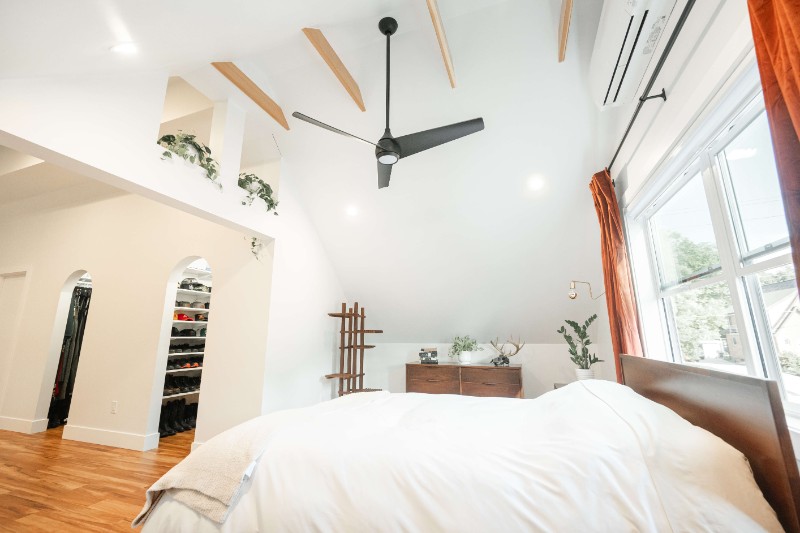
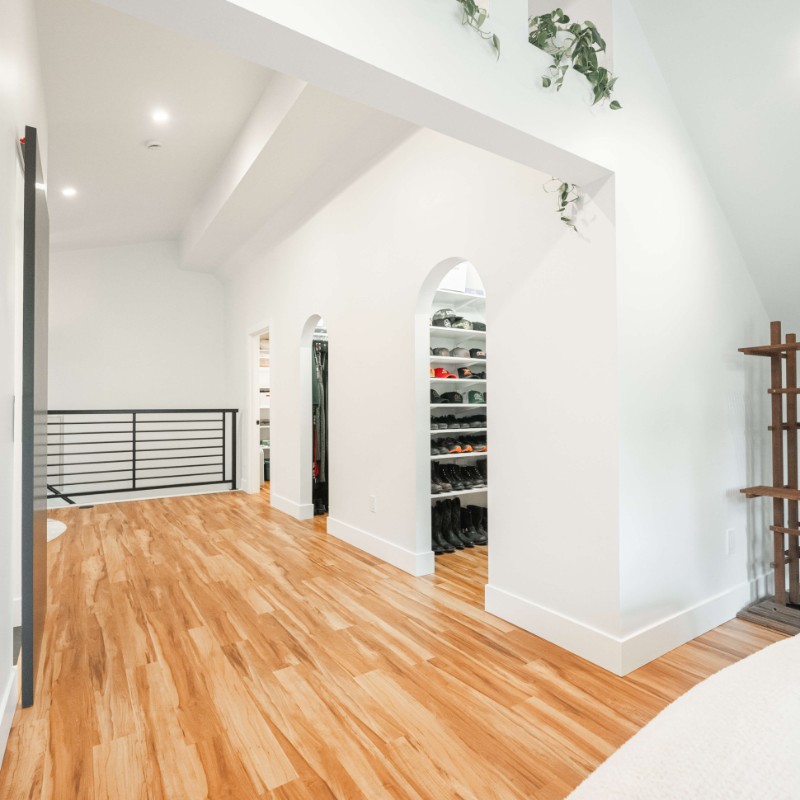
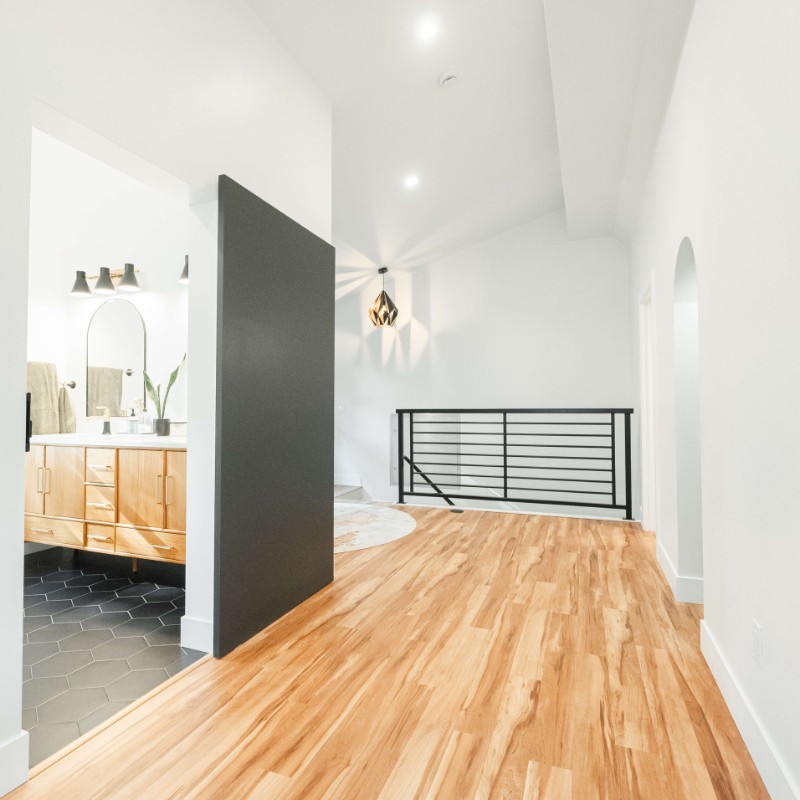
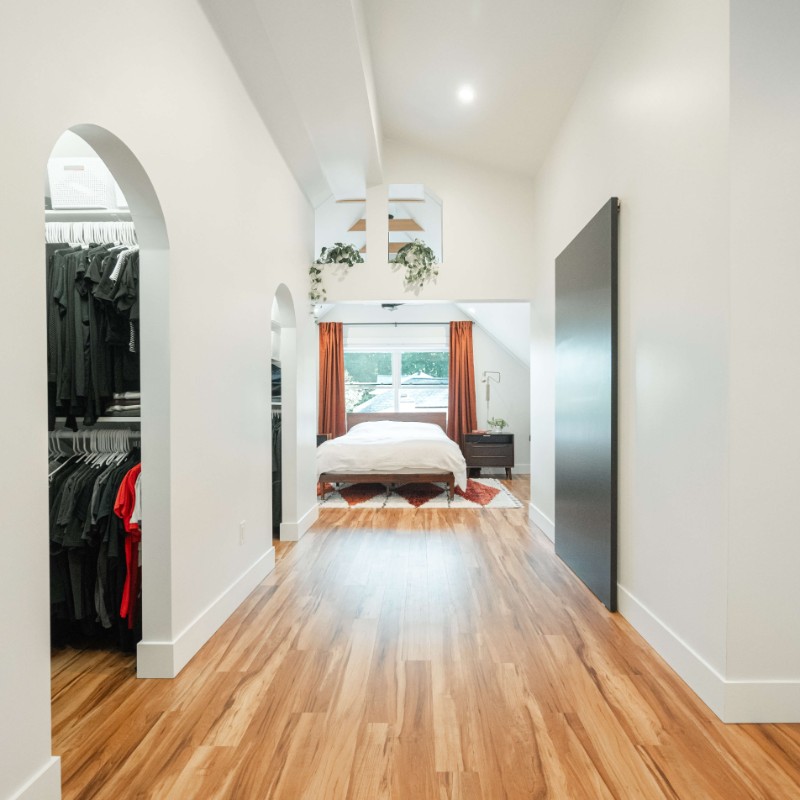
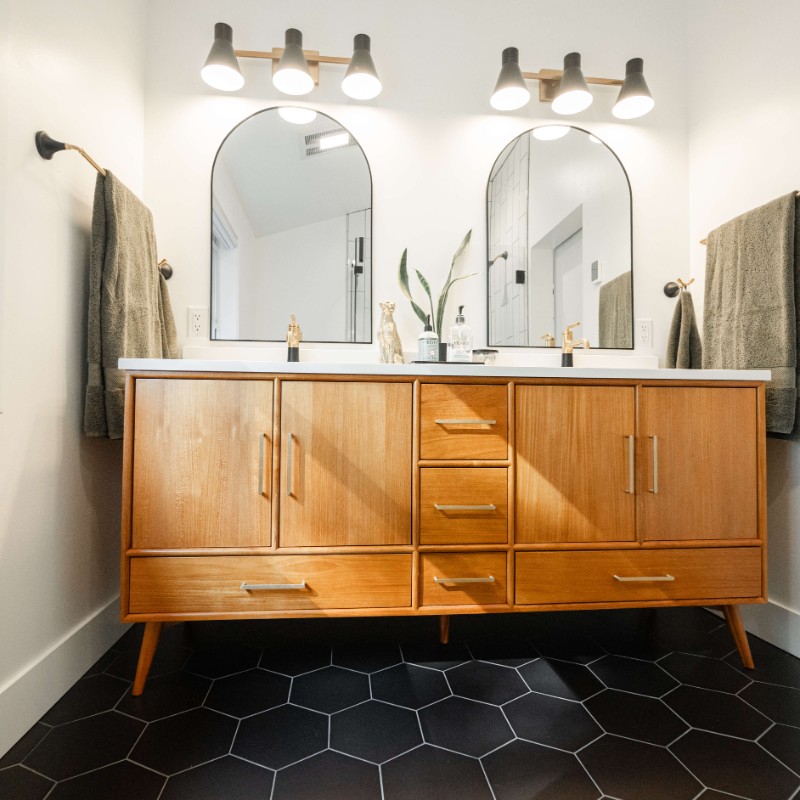
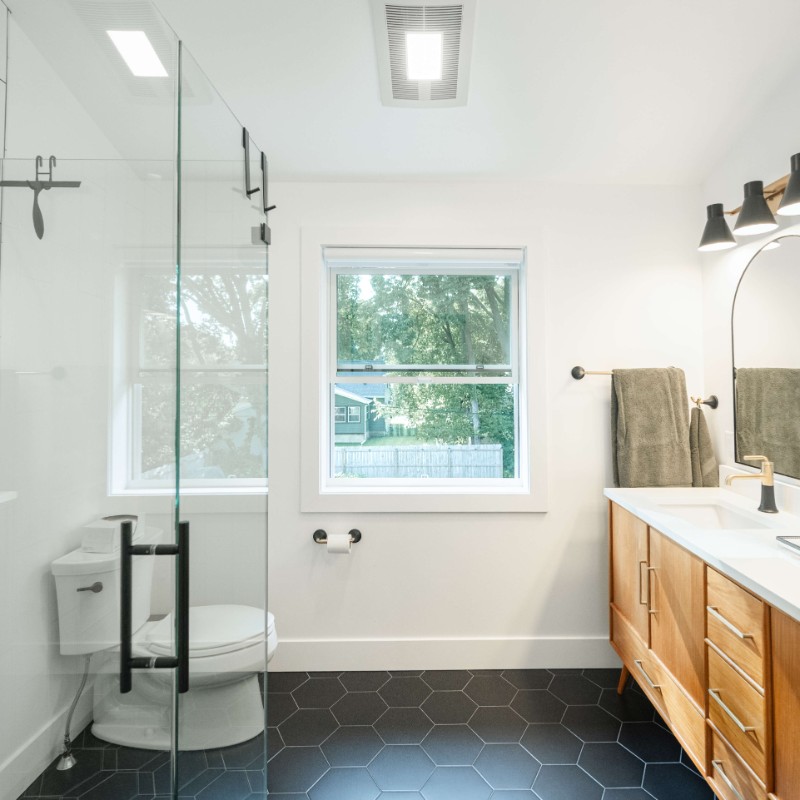
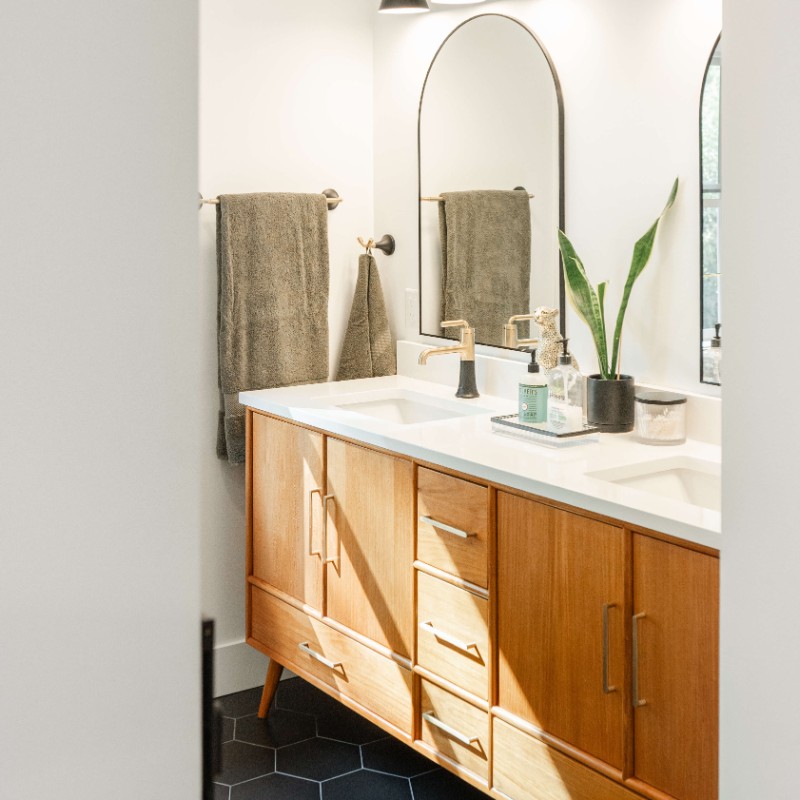
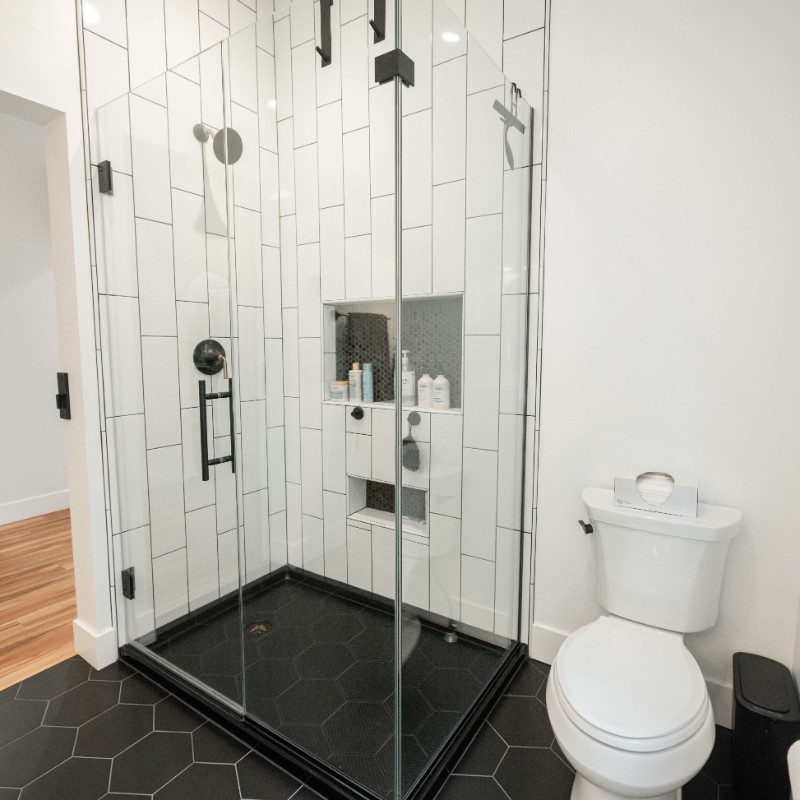
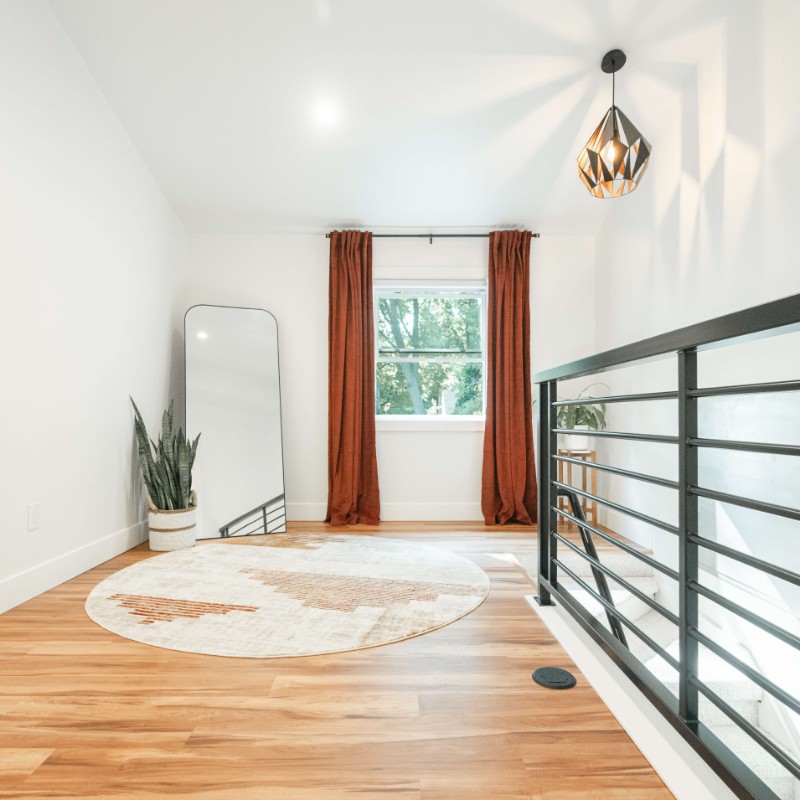
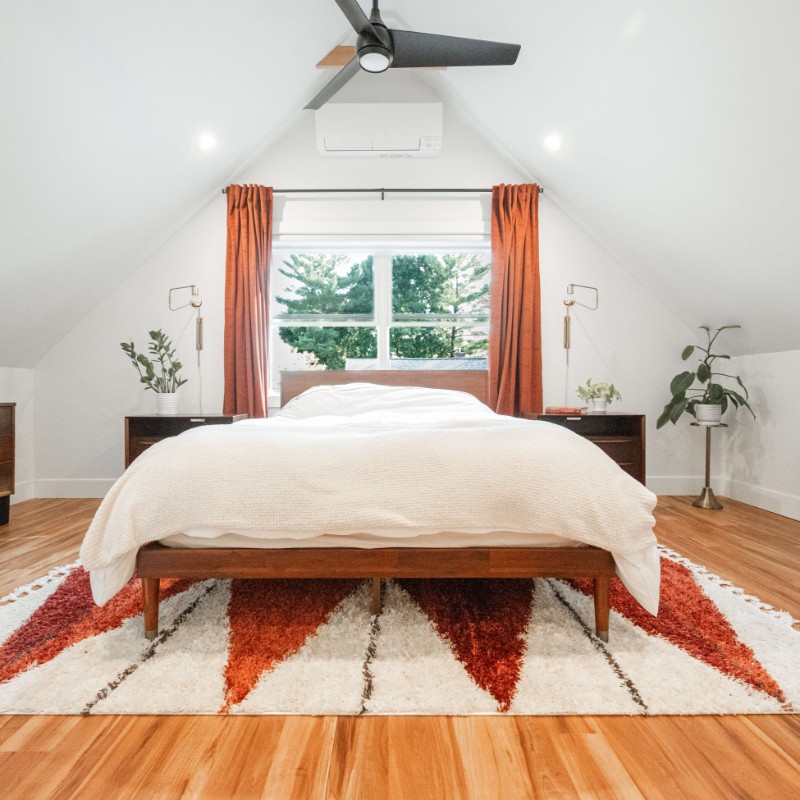
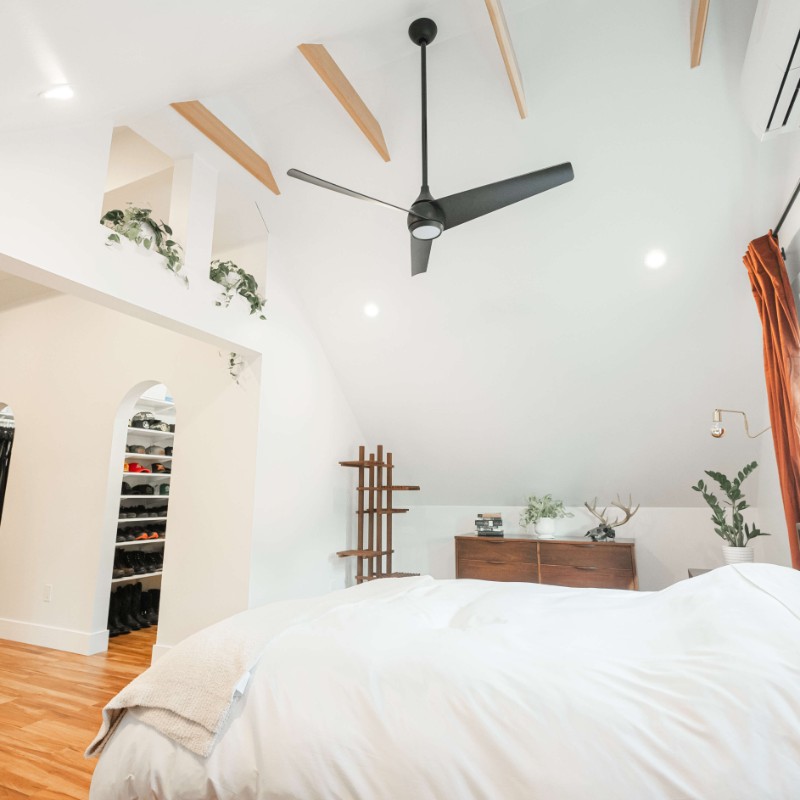
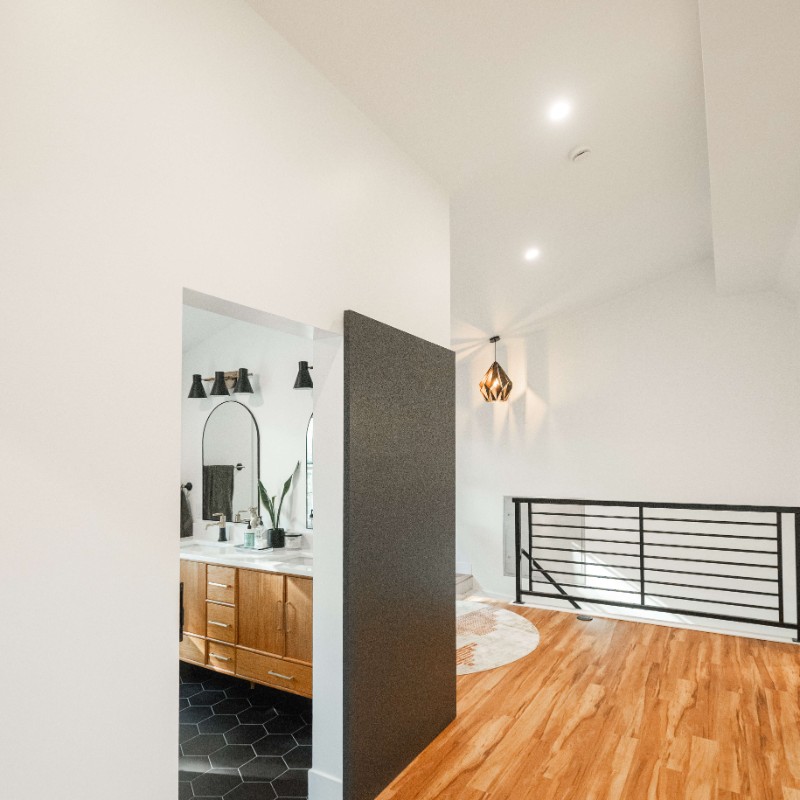
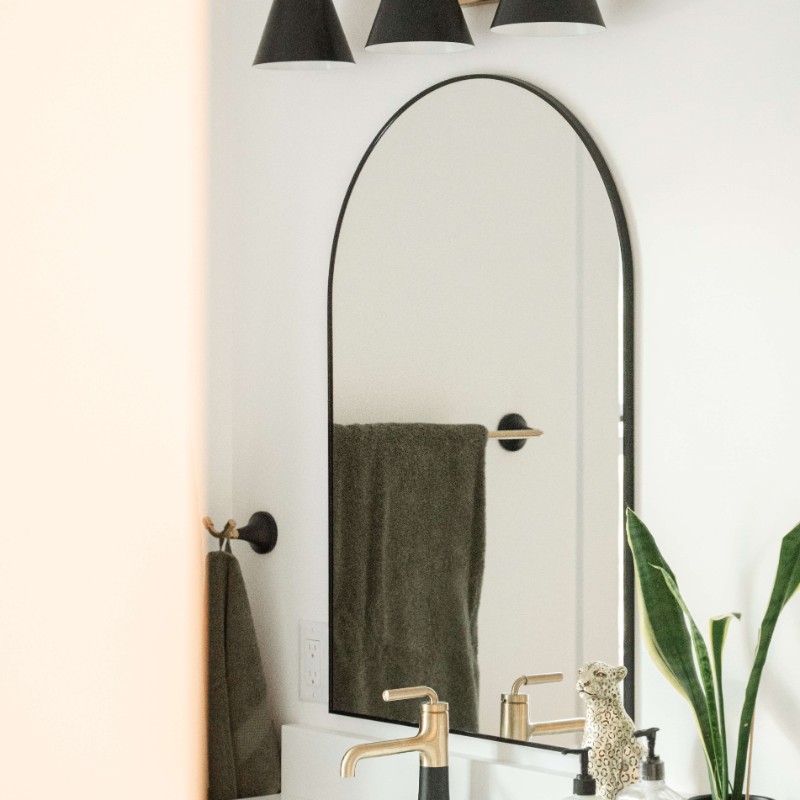
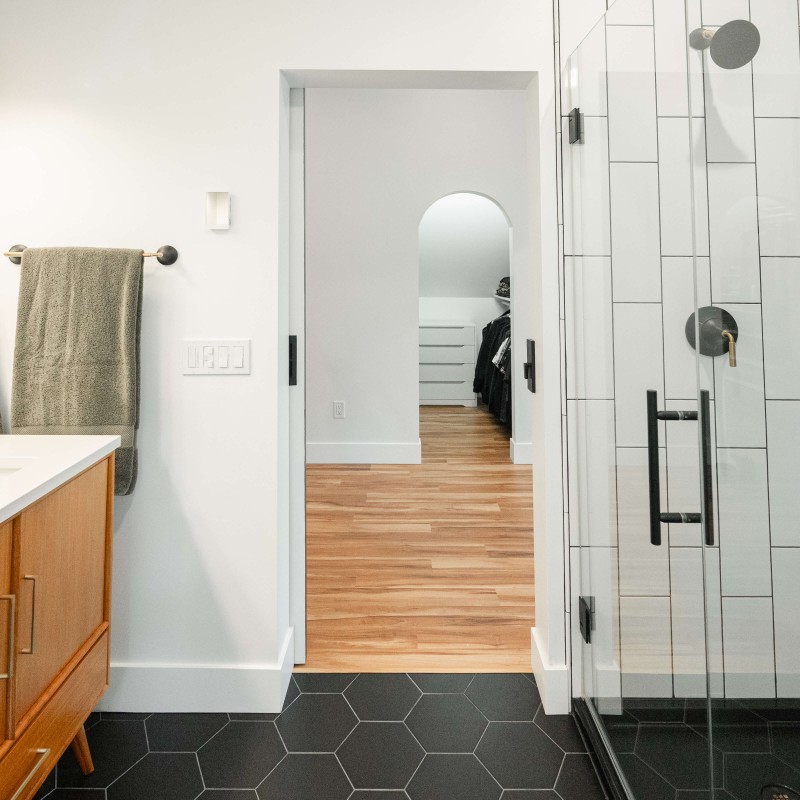
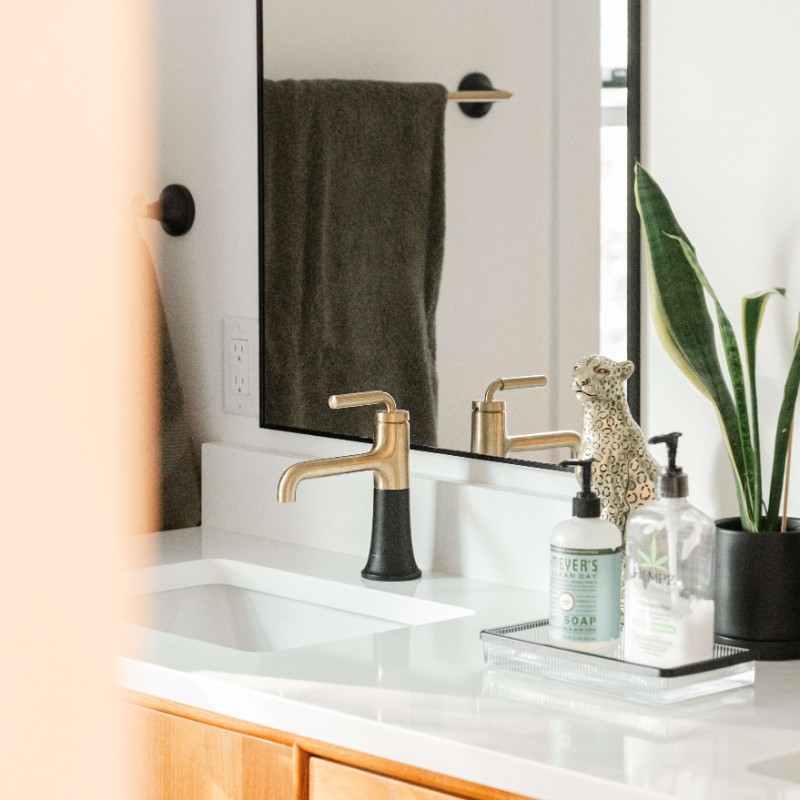
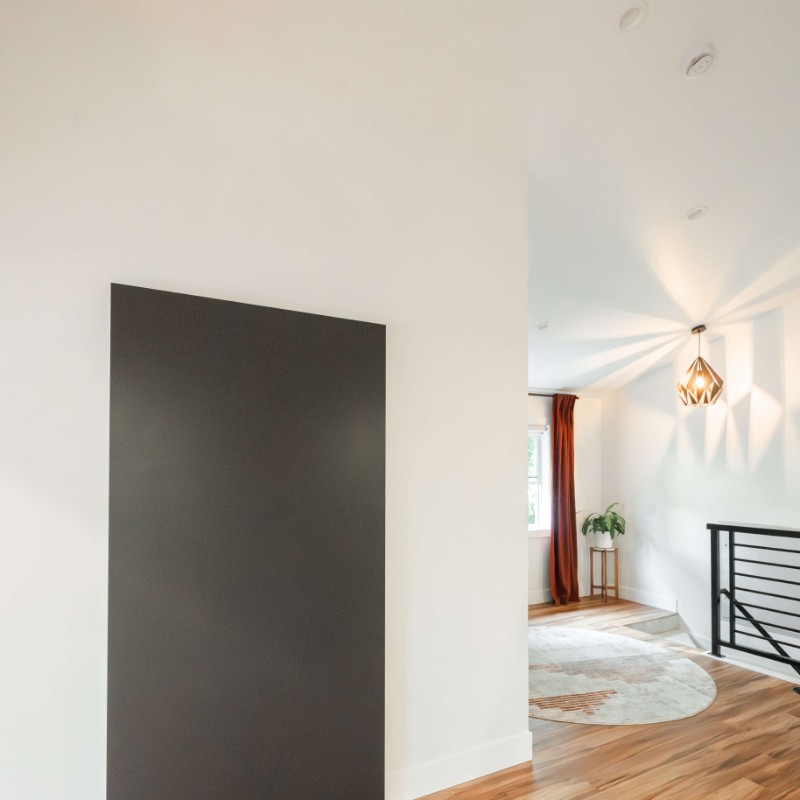
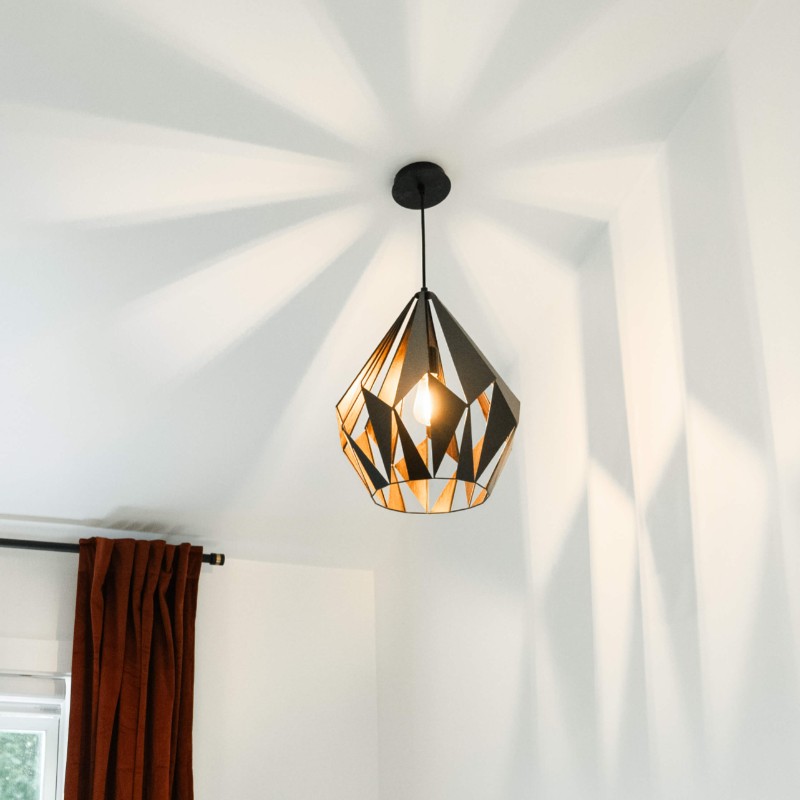
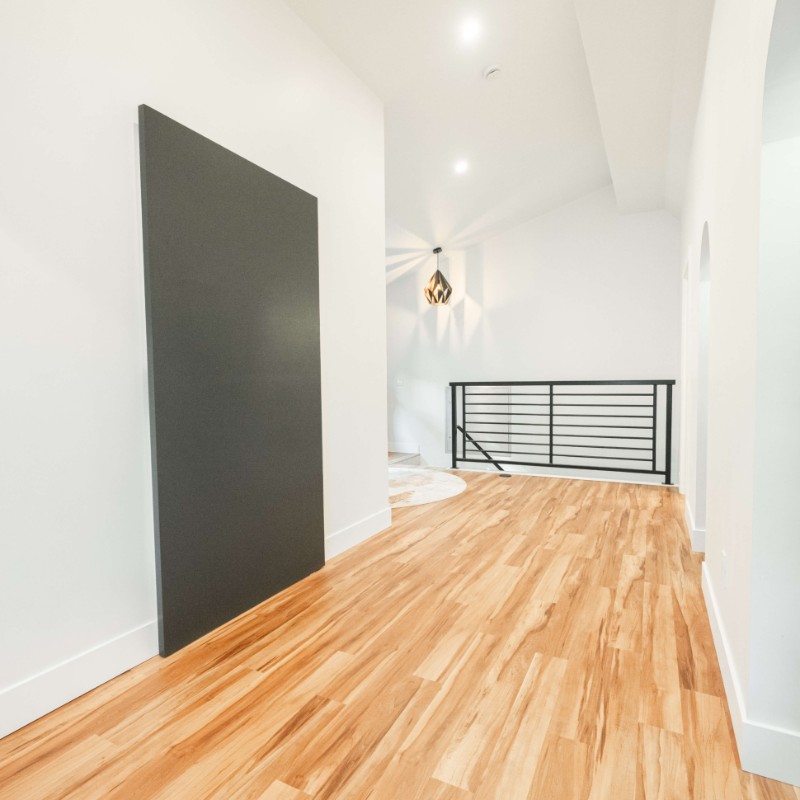
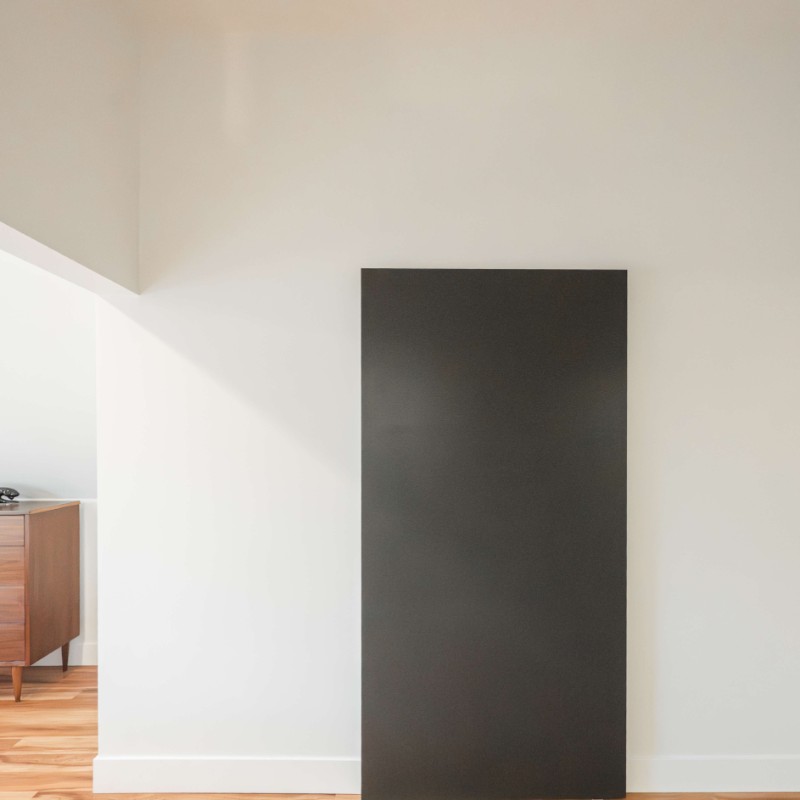
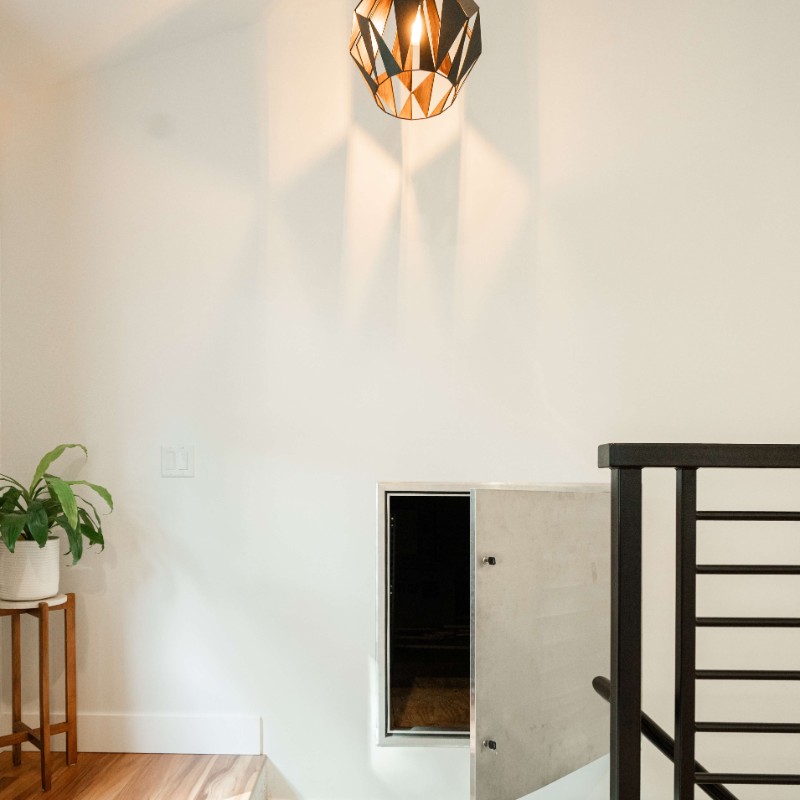
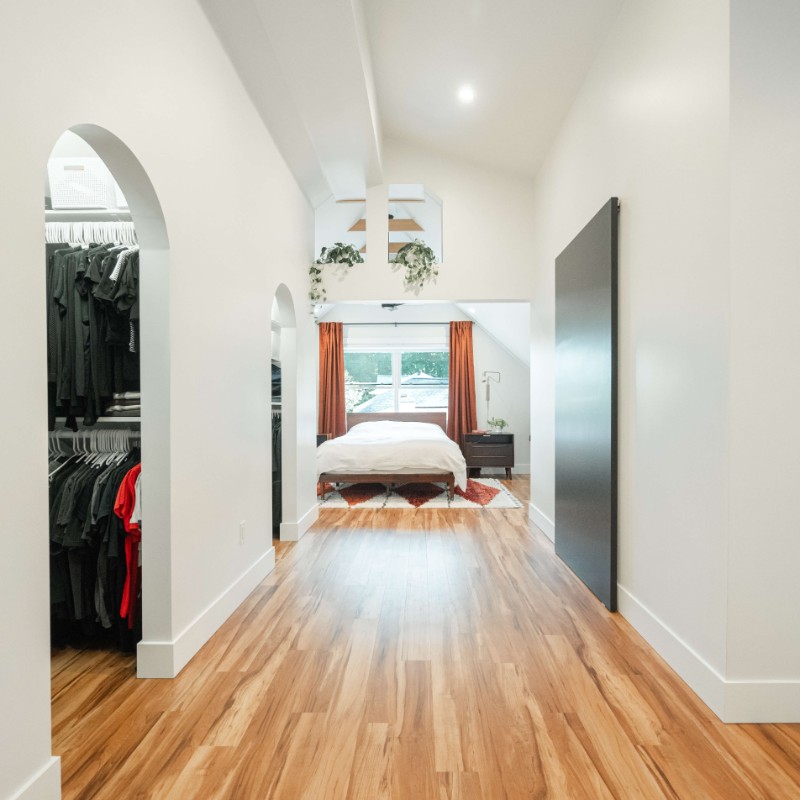
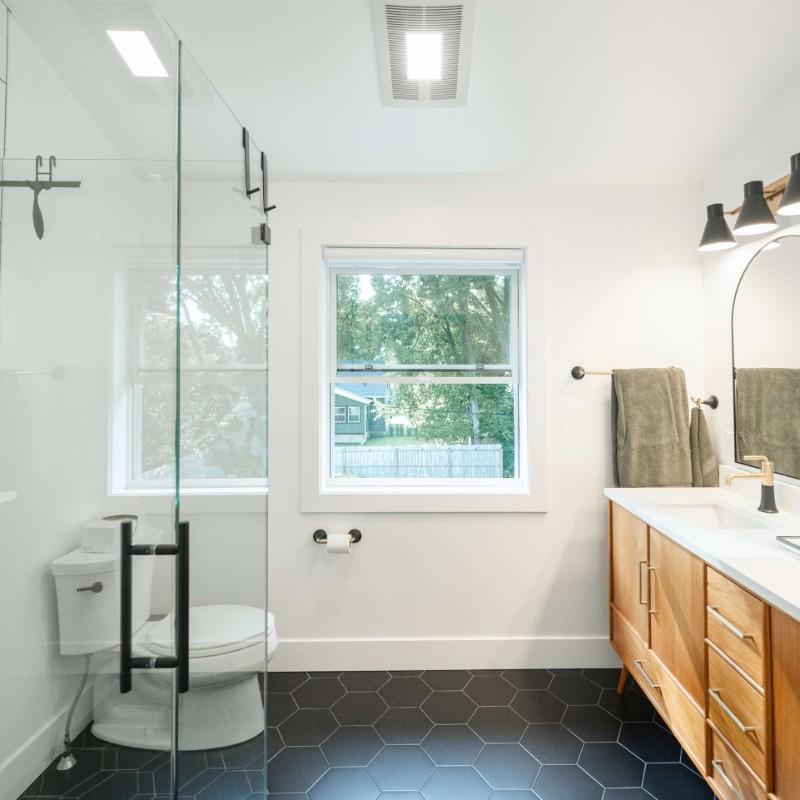
The finished second floor exceeded everything they'd imagined. The new primary suite is calm, comfortable, and completely removed from the activity of the main living space — exactly the private retreat they were after. A spa-inspired ensuite with contrasting black tile, frameless glass, warm wood cabinetry, and a heated fan transformed what had been a stuffy storage space into one of the most beautiful rooms in the house. Custom walk-in closets, a steel railing that ties into the home's existing design details, and - our team's favorite detail - a sliding door with a hidden track system all work together to make the space feel finished, intentional, and distinctly theirs.


Behind the Build: How Does an Attic Conversion Actually Work?

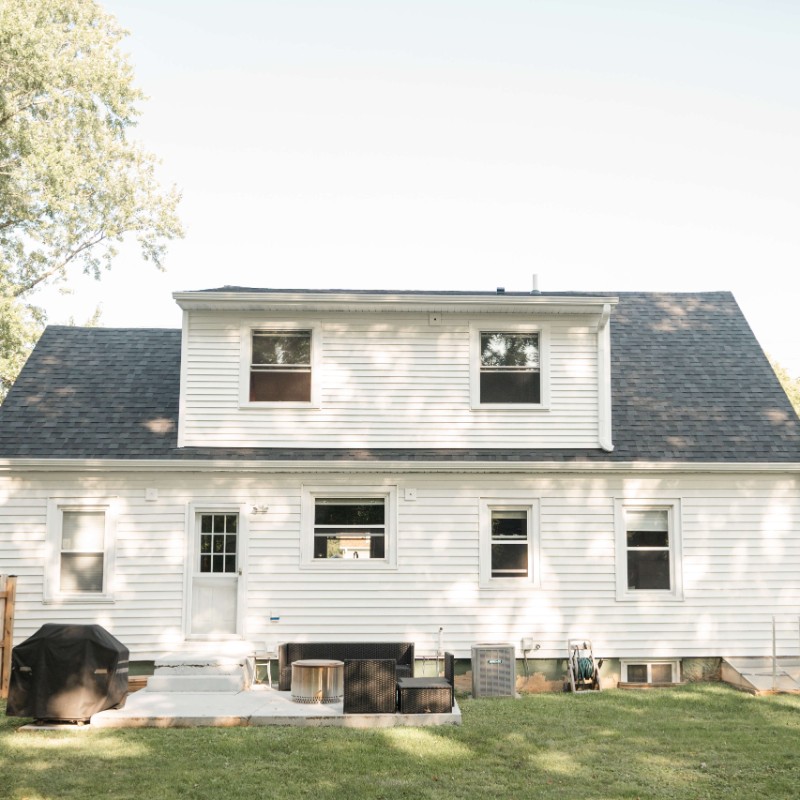
Building up instead of out meant adding a rear dormer to create the headroom needed for the staircase, bedroom, and bath — without overwhelming the home's exterior proportions. From the street, it looks like it was always there. Behind the walls, the work was more involved: we re-engineered the attic's floor system entirely, concealing structural steel beams inside closet walls and finishing the exposed brackets in black to complement the existing aesthetic of the floor below. We also reinforced the roof with added insulation, making the second floor comfortable year-round and significantly more energy-efficient than the old attic ever was.


Is My Attic a Good Candidate for a Remodel?

If your home has unused space above — or anywhere else — it may be worth a closer look before assuming the only options are moving or building an addition. Older Madison homes in particular tend to have more potential than homeowners realize, and a well-executed attic conversion can add meaningful square footage, a primary suite, or an additional bathroom without changing what makes your home feel like home. If you're curious about what your attic might be hiding, we'd love to start that conversation.