Porch, Sunroom, or Addition? How to Choose the Right Outdoor Living Space For Your Home

Are you thinking about renovating or adding a room which blends the beauty and natural light of your property with the comfort of your interior spaces? Do you want an open porch, a screened porch, an enclosed porch, a “three season” room, or a sunroom? If you are remodeling an existing space, some amenities are easier to add than others. For instance, most porches have a ceiling light or fan but do not necessarily have outlets. Once you understand the limitations of your existing space and the features and finishes you would like to have, then you are ready to start planning. Here are options to explore:
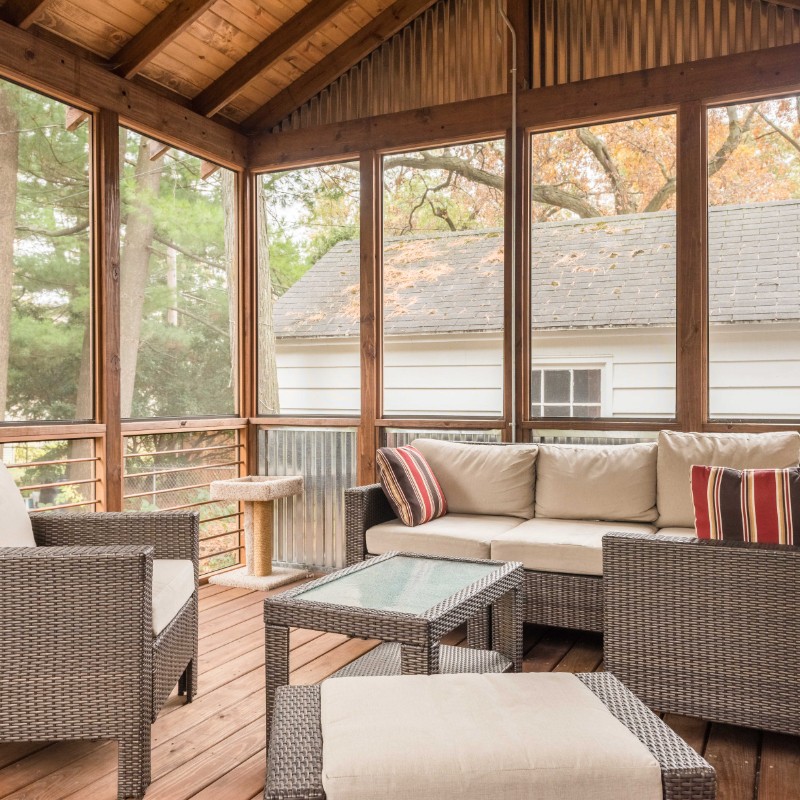
Screened porches

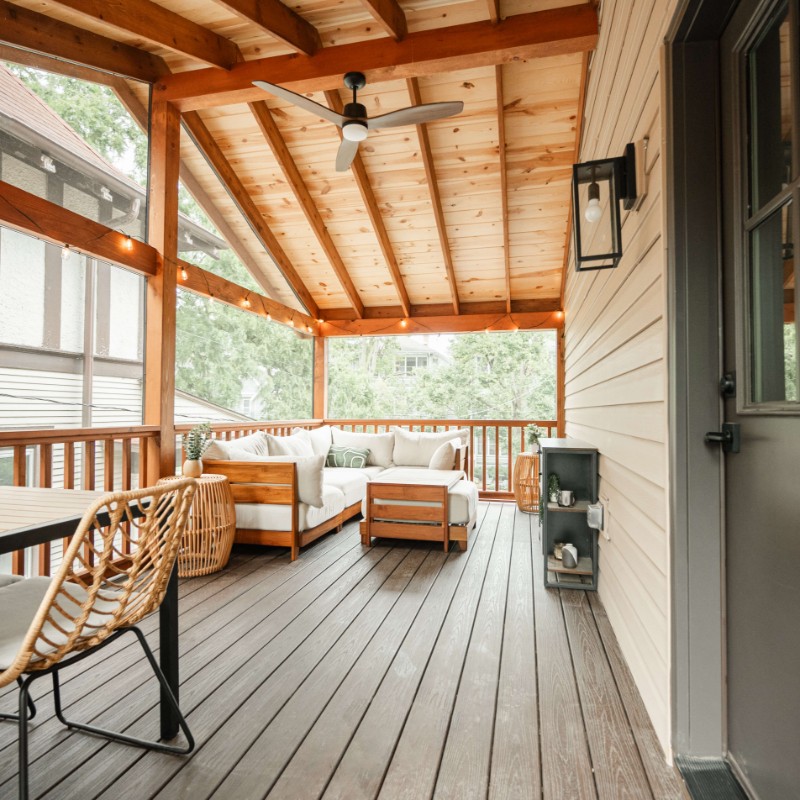
Many people simply want to enclose an existing porch with screens. Such a room provides shelter from gentle showers, the midday sun, and pesky insects. However, this type of structure will still get moisture in the interior space. Planning for wind and heavier precipitation and exposure to elements is important so that the space can be designed accordingly. The floor can be decking, which often requires screening from below to repel insects, or it can be a traditional tongue-and-groove flooring which is typically pitched to drain water. A screened porch can also have a concrete floor, which we often recommend if the location is likely to be damp. Whichever floor you choose, any structure attached to your home will require footings or a foundation.


Enclosed porches

Some clients want a screen porch that can be enclosed to extend its usage. A variety of options exist – from removable storm panels to combination storm windows to traditional windows permanently installed. Since any enclosed structure must comply with wind-shear building code requirements, you should plan and build accordingly.

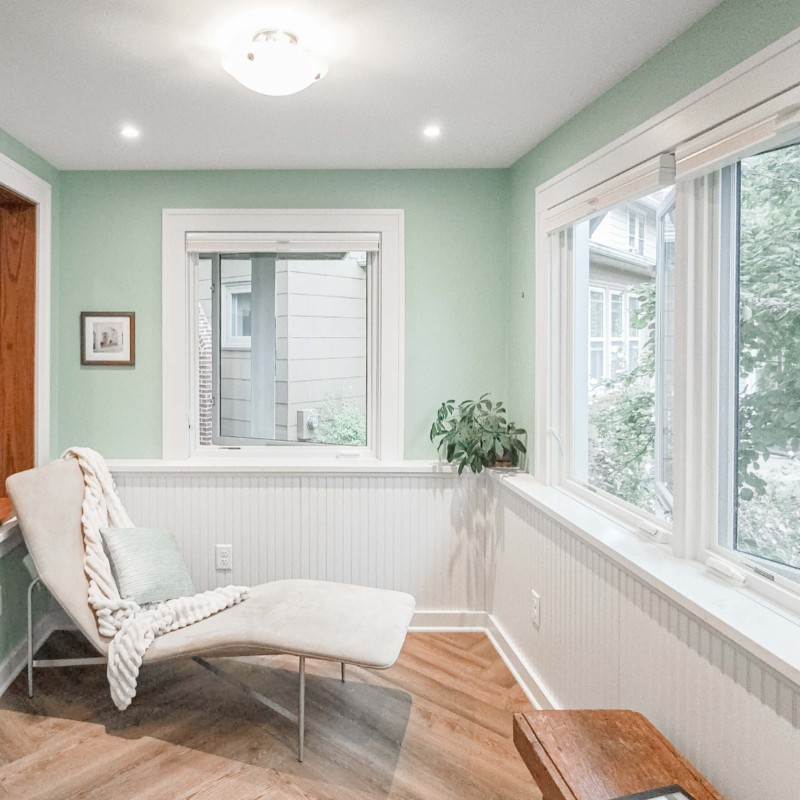
Two-season and three-season sunrooms

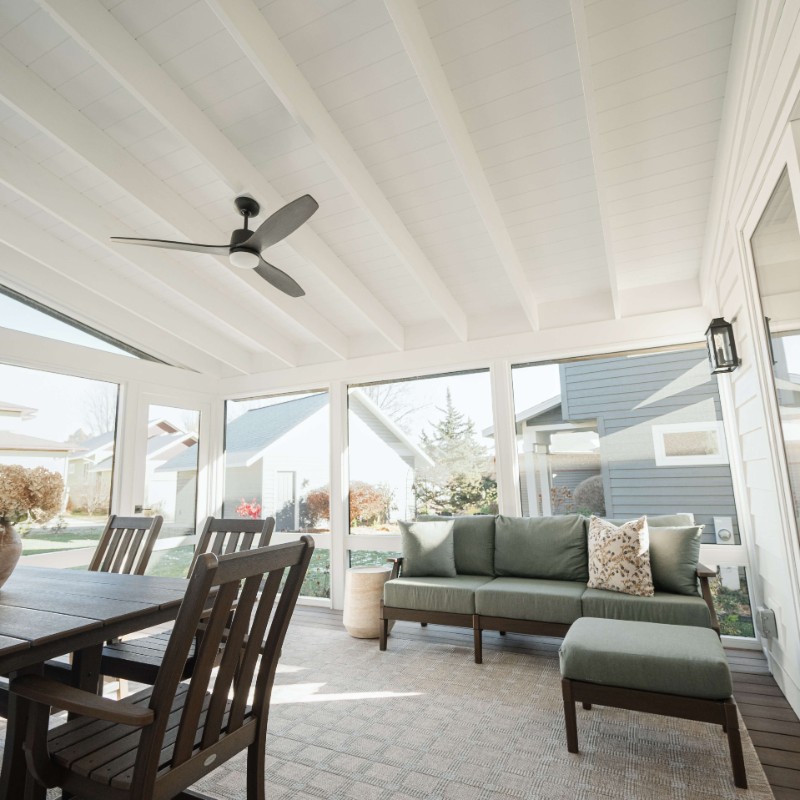
These rooms are similar to an enclosed porch but constructed to look and perform more like a four-season addition. These structures are typically designed to stay dry, with solid, level flooring and windows. They are not connected to the central heating system of the house, hence the “two-season” or “three-season” designation. They can include a fireplace or electric baseboard heat system that can be used on demand as needed. These spaces are much easier to convert to a four-season finished room in the future, provided that they are properly air-sealed and insulated.


Sunrooms versus family room additions

The main difference between a four-season sunroom and a family room addition is the quantity of glass/windows installed in the space design. Both rooms are designed with finished interiors and exteriors. They incorporate temperature control heating and cooling systems for four-season enjoyment of the space.


Other considerations

Interior finishing options will impact the total cost of each project type. The ceiling rafters and plywood can remain exposed (least expensive) or solid wood paneling can be installed above the rafters to create a high-end look (most expensive). Drywall or wood paneling can be installed from within for a more finished look. Many lighting and trim features are available at different price points, and adding skylights is a popular option. A thoughtful, professional design process will allow you to create a beautiful new space to better enjoy the outdoors.